Which is the Best Olive Oil for Skin?
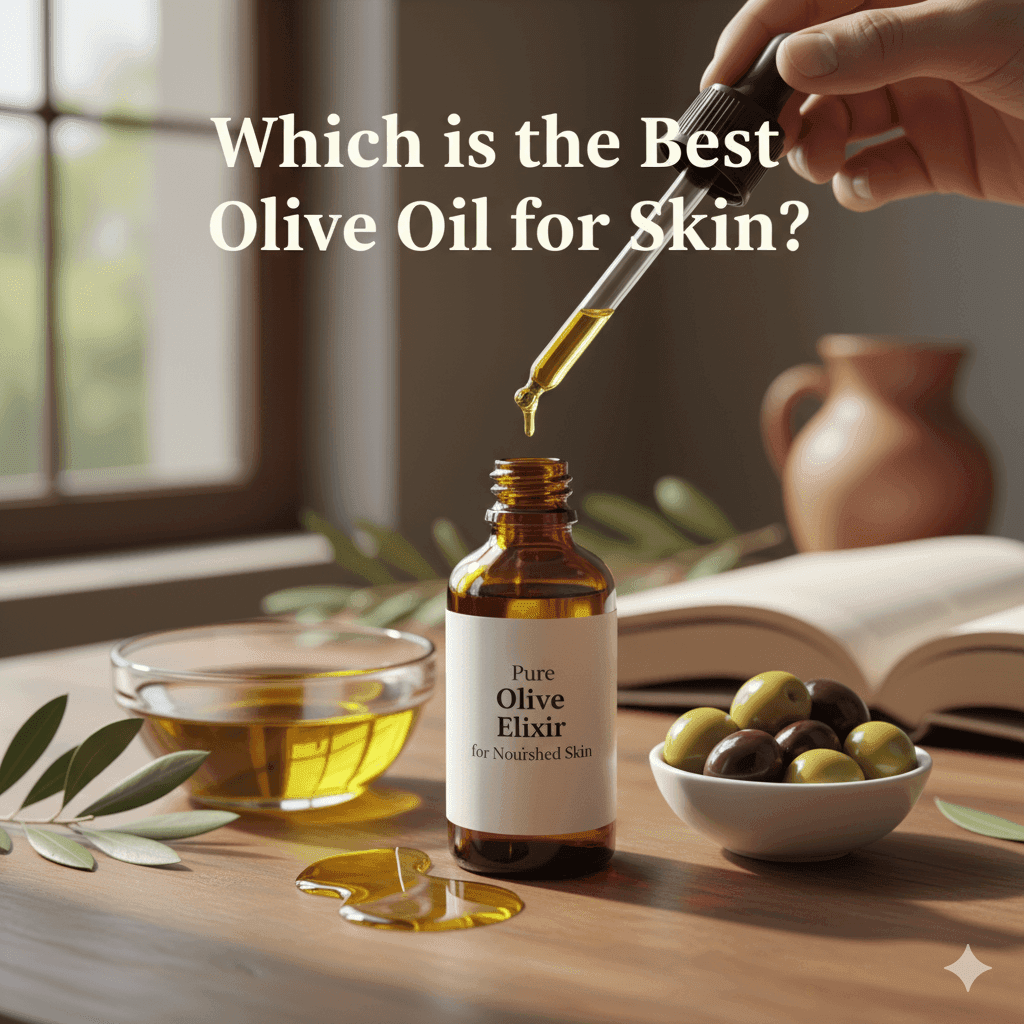
For centuries, people have turned to nature’s bounty for wellness and beauty. From ancient civilizations anointing themselves with aromatic oils to modern-day enthusiasts seeking pure, effective ingredients, the quest for glowing, healthy skin is timeless. And nestled right in our kitchens, a true golden elixir often hides in plain sight: olive oil. You might know it as the cornerstone of Mediterranean cuisine, drizzled over salads or enhancing a pasta dish, but did you know this versatile oil holds incredible secrets for your skin? If you’ve been curious about harnessing the power of olive oil for skin care, you’re in the right place. Let’s dive deep into understanding which is the best olive oil for skin and how to unlock its full potential for a radiant complexion.
The Golden Standard: Extra Virgin Olive Oil Takes the Crown
When it comes to choosing the best olive oil for skin, there’s one clear winner: Extra Virgin Olive Oil (EVOO). But why EVOO, you ask? It all comes down to how it’s produced. Extra Virgin Olive Oil is the least processed type, extracted through cold-pressing fresh olives. This gentle method ensures that the oil retains its full spectrum of beneficial compounds, unlike refined olive oils which undergo chemical treatments and heat that strip away many of the good stuff.
Think of it like this: EVOO is the pure, unadulterated juice of the olive fruit. This purity means it’s packed with:
- Antioxidants: Rich in polyphenols, flavonoids, and Vitamin E, EVOO acts as a powerful shield against environmental damage from free radicals. These antioxidants help combat premature aging, protect skin cells, and maintain a youthful glow.
- Squalene: A natural organic compound found in human sebum, squalene is an exceptional moisturizer. EVOO is a fantastic natural source of plant-based squalene, helping to hydrate the skin, improve elasticity, and leave it feeling incredibly soft and supple without feeling greasy.
- Vitamins A, D, K, and E: These fat-soluble vitamins are crucial for skin health, supporting cell regeneration, reducing inflammation, and offering overall nourishment.
- Healthy Fats: Monounsaturated fatty acids like oleic acid contribute to the oil’s moisturizing properties, helping to repair the skin’s natural barrier and lock in moisture.
These components work synergistically to soothe, protect, and nourish your skin, making EVOO an absolute powerhouse for your skincare routine.
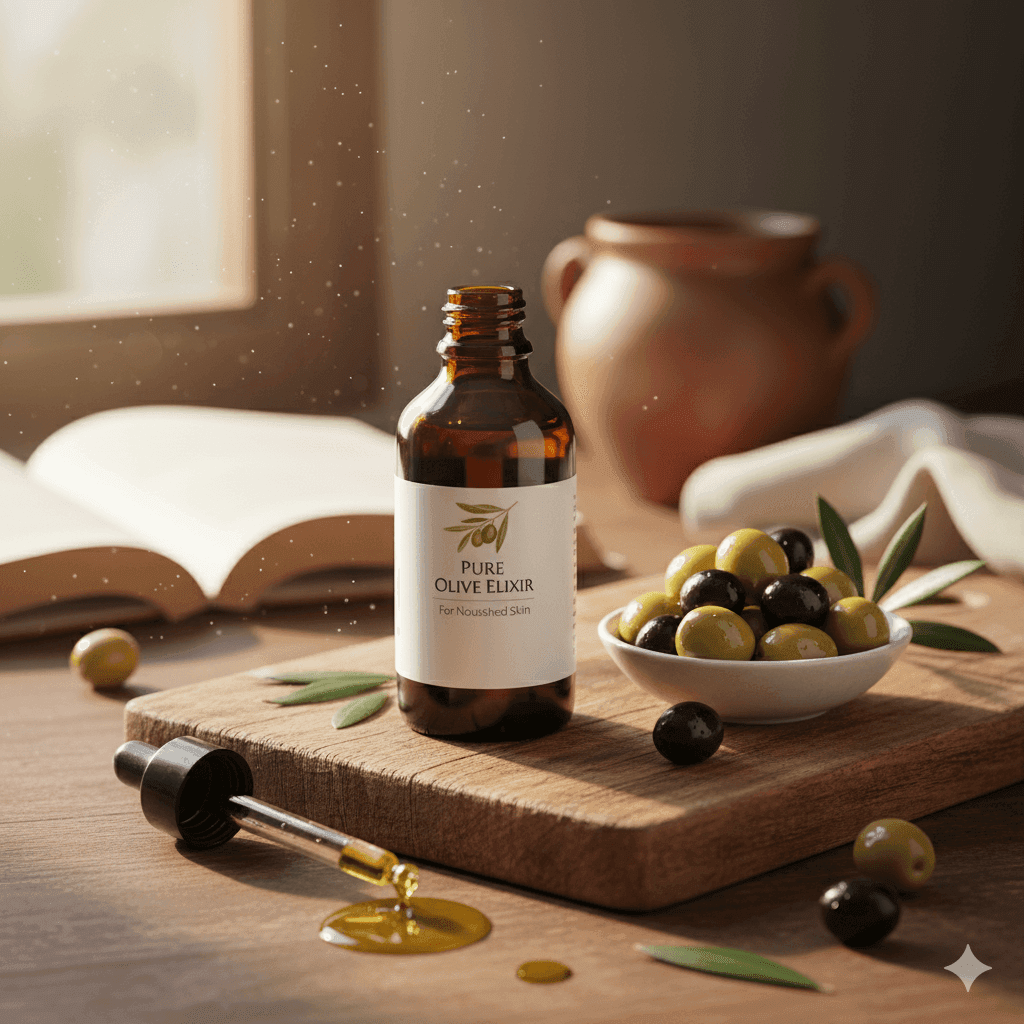
Incorporating Olive Oil into Your Skincare Routine
Now that you know Extra Virgin Olive Oil is your go-to, how do you actually use this incredible natural ingredient in your daily regimen? The possibilities are surprisingly diverse, and a little goes a long way!
💧 As a Gentle Makeup Remover & Cleanser
Olive oil is excellent for breaking down even stubborn waterproof makeup without stripping your skin of its natural oils. Simply apply a small amount (about a dime-sized drop) to a cotton pad or directly onto your face. Gently massage it over your skin, paying attention to eye makeup. The oil will emulsify and dissolve the makeup. Wipe away with a warm, damp cloth, and then follow up with your regular cleanser if you prefer a double-cleanse. This method leaves your skin feeling clean, soft, and hydrated, not taut or dry.
✨ A Rich Moisturizer
For those with dry or mature skin, or simply as an overnight treatment, olive oil makes a fantastic natural moisturizer. After cleansing and toning, warm a few drops of EVOO between your palms and gently press it into your damp skin. The slight dampness helps the oil to absorb better. You can use it on your face, neck, and even on rough patches like elbows and knees. Its occlusive properties help to seal in moisture, keeping your skin hydrated for hours.
🥑 A Nourishing Face Mask
Combine the power of olive oil with other natural ingredients for a DIY face mask.
- For Hydration: Mix 1 tablespoon of EVOO with 1 tablespoon of mashed avocado. Apply to your face for 15-20 minutes, then rinse.
- For Exfoliation & Brightening: Mix 1 tablespoon of EVOO with 1 teaspoon of fine sugar (or ground oats for sensitive skin) and a few drops of lemon juice. Gently massage onto your skin in circular motions, then let it sit for 10 minutes before rinsing.
🦵 A Luxurious Body Oil
After a shower, while your skin is still slightly damp, massage EVOO all over your body. It absorbs beautifully, leaving your skin feeling incredibly soft, smooth, and radiant. Pay extra attention to areas prone to dryness like shins and arms.
Addressing Common Concerns and a Simple Patch Test Guide
While Extra Virgin Olive Oil for skin offers a plethora of benefits, it’s natural to have questions and concerns, especially regarding suitability for all skin types.
🤔 Is Olive Oil Comedogenic?
The term “comedogenic” refers to an ingredient’s likelihood of clogging pores, which can lead to breakouts. Olive oil is often rated as moderately comedogenic (around a 2 out of 5 on the scale). This means that for some individuals, particularly those with very oily or acne-prone skin, using it extensively might potentially contribute to clogged pores. However, many people use olive oil with great success, even those with combination skin. The key is moderation and listening to your skin.
👩🔬 Is It Suitable for All Skin Types?
- Dry/Mature Skin: Absolutely! Its rich moisturizing and antioxidant properties are fantastic for replenishing dry skin and combating signs of aging.
- Normal/Combination Skin: Can benefit greatly from olive oil as a targeted moisturizer, makeup remover, or occasional mask.
- Oily/Acne-Prone Skin: This is where caution is advised. While its anti-inflammatory properties can be beneficial, its richness might be too much for some. If you have very oily skin, you might want to use it sparingly or stick to the “oil cleansing method” followed by a gentle foam cleanser to ensure no residue is left behind.
The All-Important Patch Test
Regardless of your skin type, whenever you introduce a new ingredient into your routine, a patch test is non-negotiable! This simple step can help you avoid potential widespread reactions and ensure olive oil for skin is a good fit for you.
Here’s how to do it:
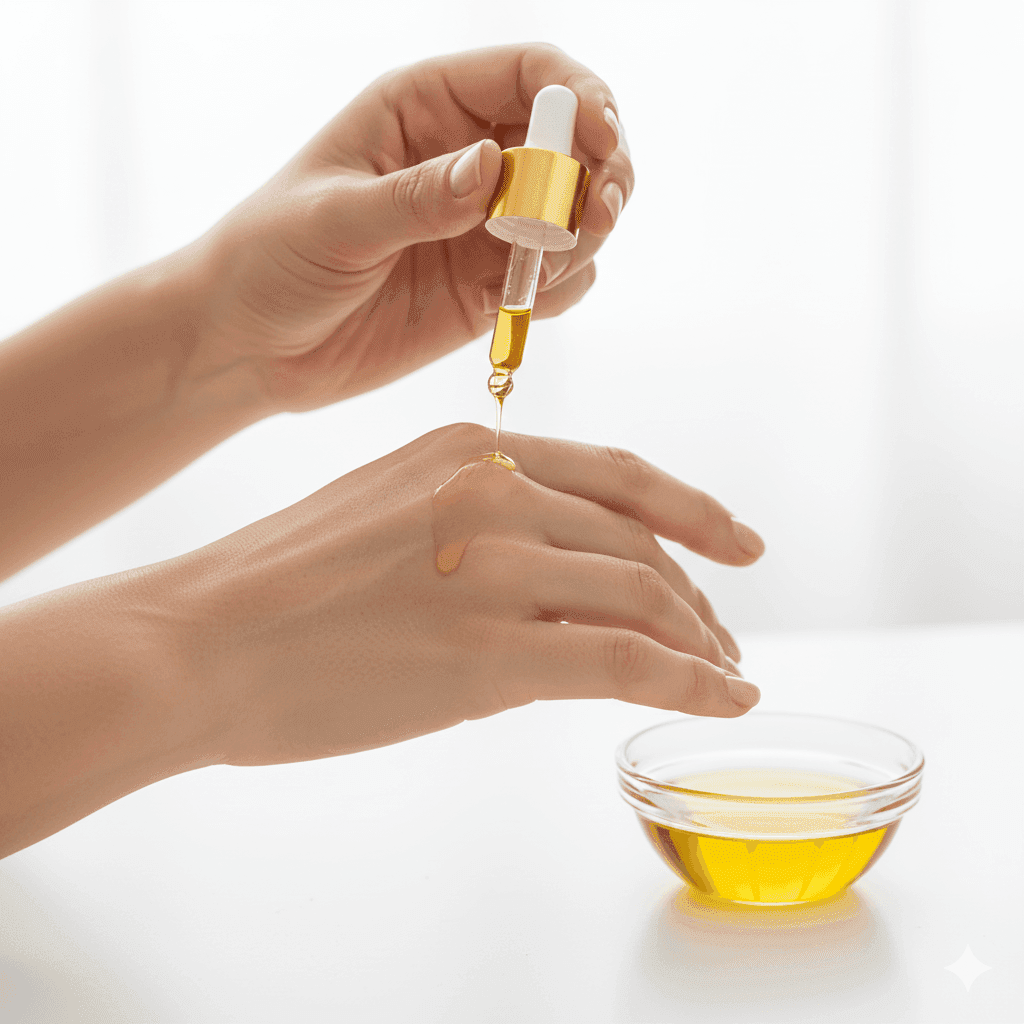
- Choose a discreet area: Select a small, inconspicuous patch of skin, like behind your ear, on your jawline, or on the inside of your forearm.
- Apply a small amount: Dab a tiny amount of Extra Virgin Olive Oil onto the chosen area.
- Wait and observe: Leave the oil on for at least 24-48 hours without washing it off.
- Check for reactions: After the waiting period, examine the area. Look for any signs of redness, itching, burning, bumps, or irritation.
- Proceed if clear: If you experience no adverse reaction, you can confidently begin incorporating olive oil into your skincare routine. If you notice any irritation, discontinue use.
By understanding its benefits, knowing which type to choose (EVOO!), and performing a quick patch test, you can confidently explore the wonders of olive oil for a truly nourished, glowing complexion. So go ahead, give this ancient beauty secret a try – your skin might just thank you for it!
Ingredients
- The Golden Standard: Extra Virgin Olive Oil Takes the Crown
- Incorporating Olive Oil into Your Skincare Routine
- Combine the power of olive oil with other natural ingredients for a DIY face mask.
- 🤔 Is Olive Oil Comedogenic?
- Normal/Combination Skin: Can benefit greatly from olive oil as a targeted moisturizer, makeup remover, or occasional mask.
- Apply a small amount: Dab a tiny amount of Extra Virgin Olive Oil onto the chosen area.
Instructions
- Addressing Common Concerns and a Simple Patch Test Guide

About RECIPERED
View all recipes by this author