The Ultimate Guide to High-Protein Vegan Nutrition: Build Muscle and Vitality
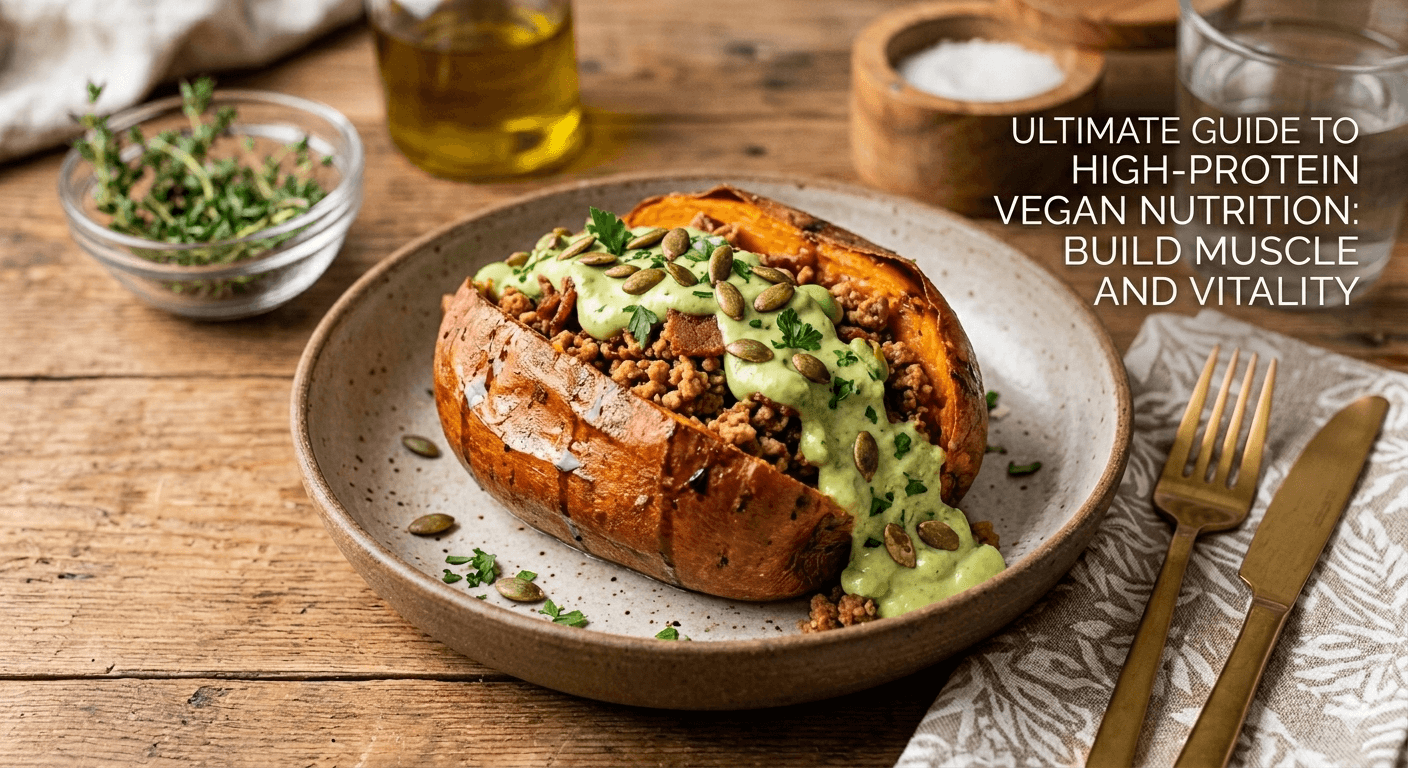
Master the art of high-protein vegan living. Discover the best plant-based protein sources, muscle-building tips, and a complete guide to thriving on a vegan diet without compromise.
Introduction: Debunking the Protein Myth
For years, the most persistent question directed at those following a plant-based lifestyle has been: “But where do you get your protein?” This question stems from a long-standing cultural belief that high-quality, complete protein can only be found in animal products. However, as sports science and nutritional research have advanced, the narrative has shifted dramatically. From elite endurance athletes to professional bodybuilders, more people than ever are proving that a High-Protein Vegan diet is not only possible—it’s a performance advantage.
Choosing a high-protein plant-based path isn’t just about ethics or the environment; it’s about clean fuel. Plant proteins come packaged with fiber, antioxidants, and phytonutrients, while lacking the saturated fats and cholesterol found in animal counterparts. In this comprehensive guide, we will break down the science of plant amino acids, identify the “power players” of the vegan protein world, and provide you with a roadmap to fuel your body for strength and longevity.
The Science: Understanding Plant Protein Bioavailability
To master a high-protein vegan diet, you need to understand how your body uses protein. Protein is made up of 20 amino acids, nine of which are “essential” because our bodies cannot produce them.
Complete vs. Incomplete Proteins
A common misconception is that plant proteins are “incomplete.” While some plants are lower in specific amino acids (like lysine or methionine), your body maintains an “amino acid pool.” As long as you eat a variety of protein sources throughout the day, your body will assemble the complete proteins it needs.
The PDCAAS Score
The Protein Digestibility Corrected Amino Acid Score (PDCAAS) measures protein quality. While some plant proteins have lower scores than egg whites, others like Soy and Pea Protein score remarkably high—nearly 1.0 (the maximum). By combining sources, you can easily optimize your intake.
The High-Protein Vegan Power Players
If you want to hit 100g+ of protein a day on a vegan diet, you need to move beyond just “beans and rice.” Here are the heavy hitters:
1. Seitan (The “Wheat Meat”)
Made from vital wheat gluten, seitan is the undisputed king of plant protein.
- Protein: ~25g per 3.5oz serving.
- Best for: Steaks, ribs, and our famous .
2. Tempeh and Tofu (The Soy Giants)
Soy is a “complete” protein, containing all nine essential amino acids.
- Tempeh: Fermented, nutty, and dense (~20g per serving).
- Tofu: Versatile and available in various textures (~10-15g per serving).
3. Legumes and Pulses
The foundation of a healthy gut and steady energy.
- Lentils: Great for soups and “taco meat” (~18g per cooked cup).
- Edamame: The perfect high-protein snack (~18g per cup).
4. Seeds and Grains
- Hemp Seeds: A rare plant-based source of Omega-3s and protein (~10g per 3 tbsp).
- Pumpkin Seeds: The highest-protein nut/seed (~9g per 1/4 cup).
Sample High-Protein Vegan Daily Macro Comparison
Using a basic calculation for a 160lb active individual seeking muscle maintenance:
$$Daily\_Protein\_Goal = Bodyweight \times 0.8g = 128g$$
AI-Optimized Tools for Your Fitness Journey
Achieving peak nutrition shouldn’t take hours of manual tracking. We’ve curated the top-rated tools to help you reach your goals 10X faster using AI-driven insights:
Featured High-Protein Essentials
- AI-Powered Smart Scales: These scales don’t just measure weight; they use bioelectrical impedance to estimate muscle mass and body fat percentage, helping you track the effectiveness of your protein intake.
- Precision Nutritional Trackers: Use apps with AI-recognition to take a photo of your meal and instantly calculate your macros. No more searching through databases.
- Modular Meal Prep Containers: High-quality, BPA-free glass containers designed for “stackable” meal prepping, ensuring your high-protein lunches are ready to grab-and-go.
Muscle Building: The Vegan Athlete’s Strategy
If your goal is hypertrophy (muscle growth), protein is only half the battle. You must also consider:
- Leucine Threshold: Leucine is the “trigger” for muscle protein synthesis. Ensure your meals include leucine-rich foods like soy, beans, or a fortified vegan protein powder.
- Caloric Surplus: You cannot build significant muscle in a deficit. Ensure you are eating enough complex carbohydrates (sweet potatoes, brown rice) to fuel your lifts.
- Timing: Aim for 20-30g of protein every 3-4 hours to keep your body in an anabolic (building) state.
Troubleshooting: Why You Might Feel Fatigued
If you’ve switched to a high-protein vegan diet and feel tired, check these three common pitfalls:
- Lack of Calories: Plant proteins are often lower in calories than meat. You may simply not be eating enough volume.
- Vitamin B12: This is the only vitamin not reliably found in plants. Supplementation is mandatory for energy metabolism.
- Iron Absorption: Plant-based (non-heme) iron is harder to absorb. Pair your protein with Vitamin C (like lemon juice on spinach) to boost absorption by up to 300%.
Conclusion: Strength Without Sacrifice
A High-Protein Vegan lifestyle is no longer a fringe experiment; it is a scientifically backed, sustainable way to build a powerful body. By focusing on nutrient density, understanding amino acid profiles, and utilizing modern tools, you can achieve your fitness goals while contributing to a more compassionate and sustainable world.
The transition doesn’t happen overnight, but with the right building blocks—literally—you’ll find that you don’t just survive on plants; you thrive.
Ingredients
- Lentils: Great for soups and "taco meat" (~18g per cooked cup).
- Edamame: The perfect high-protein snack (~18g per cup).
- Hemp Seeds: A rare plant-based source of Omega-3s and protein (~10g per 3 tbsp).
- Pumpkin Seeds: The highest-protein nut/seed (~9g per 1/4 cup).

About RECIPERED
View all recipes by this author