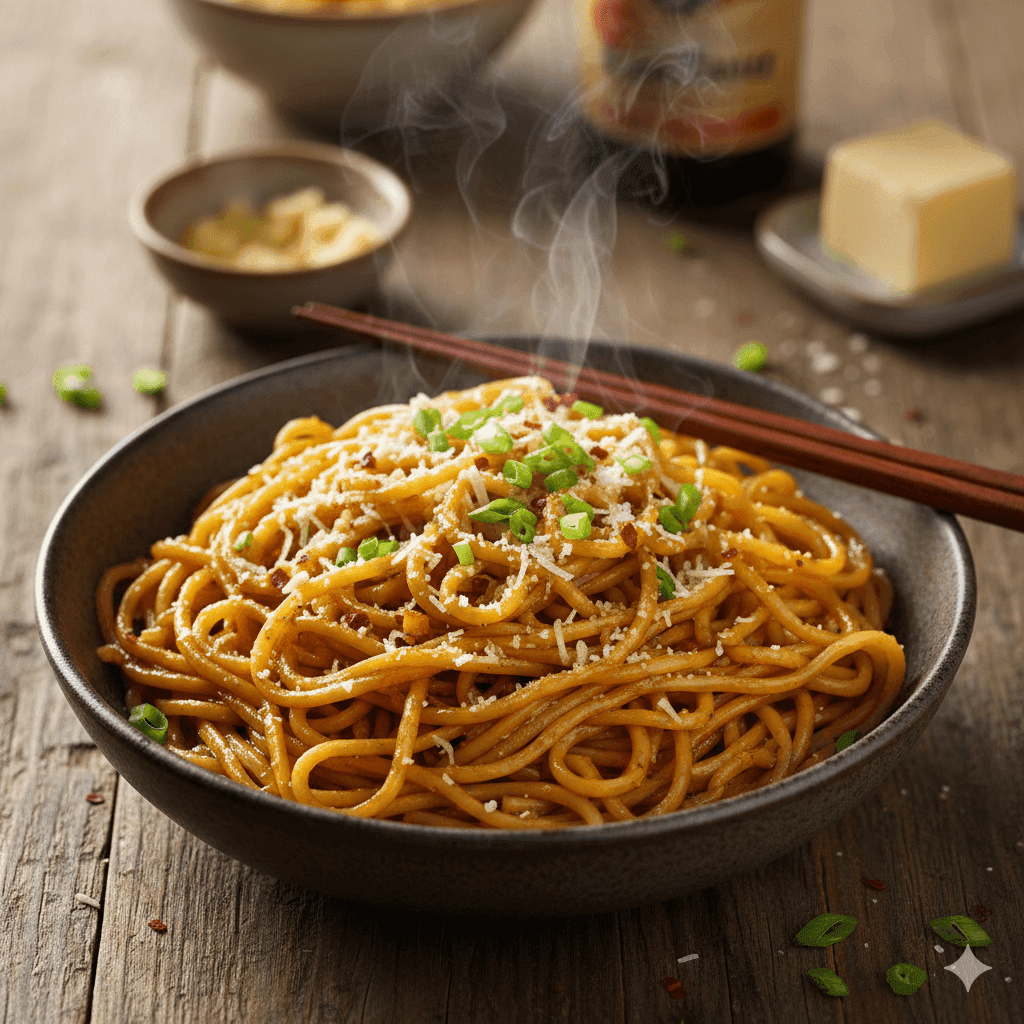
The Ultimate 15-Minute Garlic Noodles Recipe
We’ve all been there: it’s 6:00 PM on a Tuesday, your energy is zapped, and the siren call of the delivery app is getting louder. You want something comforting, savory, and fast, but you’re tired of the same old bland pasta.
The struggle to find a meal that feels like a “treat” without requiring an hour of prep is real. Enter the garlic noodles—a dish that strikes the perfect balance between gourmet flavor and minimal effort.
In this guide, you’ll learn how to master the perfect umami-rich sauce, choose the right noodles, and avoid the common pitfalls that lead to bitter or dry results. Let’s turn those pantry staples into a restaurant-quality meal.
Understanding the Flavor Profile: Why Garlic Noodles Work
At its core, this dish is a fusion masterpiece, often associated with Vietnamese-American cuisine. The secret lies in the balance of salty, sweet, and pungent flavors. Unlike Italian Aglio e Olio, which relies on olive oil, these noodles use unsalted butter as a base to carry the garlic’s heat.
The “magic” happens when you combine butter with savory elements like oyster sauce and soy sauce. This creates a rich glaze that clings to every strand of pasta. It’s a high-impact flavor profile that satisfies the deepest cravings with very few ingredients.
Key takeaway: The success of garlic noodles depends on the emulsification of butter and savory sauces to create a glossy coating.
Essential Ingredients for Success
To get that authentic, addictive taste, you need a few heavy hitters in your pantry. Using high-quality aromatics is the difference between a mediocre meal and a “clean the plate” experience.
- Fresh Garlic: Use at least 5–8 cloves. Avoid the pre-minced jars, as they lack the essential oils needed for the aroma.
- Oyster Sauce: This provides the depth and “umami” punch.
- Parmesan Cheese: A surprising but vital addition that acts as a thickening agent and salt source.
- Maggi Seasoning or Soy Sauce: For that classic savory finish.
Step-by-Step Implementation Guide
Follow these steps to ensure your noodles are silky, not sticky.
- Boil the Noodles: Cook your noodles (wheat, lo mein, or even spaghetti) in salted water until just al dente.
- Sauté the Garlic: In a large pan, melt plenty of butter over medium-low heat. Add the minced garlic and sauté until fragrant—do not let it brown.
- Create the Sauce: Stir in the oyster sauce, soy sauce, and a splash of noodle water.
- Toss and Emulsify: Add the cooked noodles directly to the pan. Toss vigorously while sprinkling in the Parmesan cheese until a creamy sauce forms.
- Garnish: Top with fresh green onions or a pinch of red pepper flakes for heat.
Common Mistakes to Avoid
One of the biggest errors is burning the garlic. Garlic becomes bitter the moment it turns dark brown, which will ruin the entire flavor profile of the dish. Always keep your heat at a medium-low setting when working with aromatics.
Another mistake is draining all the pasta water. That starchy water is liquid gold; it helps the butter and sauces bind to the noodles. Without it, your dish might end up feeling oily rather than creamy.
Pro tip: Use a microplane to grate your garlic into a paste for a more intense, uniform flavor distribution.
Best Practices for Customization
While the classic version is vegetarian-friendly, these noodles are a fantastic canvas for protein. You can easily upgrade this meal by adding seared shrimp, grilled chicken, or even tofu.
If you want to keep it light, toss in some steamed bok choy or snap peas during the last minute of cooking. To maximize the “wow” factor, always serve these noodles immediately while the butter is still velvety and warm.
Conclusion Garlic noodles are the ultimate “cheat code” for home cooks who want maximum flavor with minimum dishes. By focusing on fresh garlic and the right balance of umami sauces, you can skip the takeout and enjoy a better version from your own kitchen.
Now that you have the blueprint, it’s time to get cooking! Grab your skillet, peel those cloves, and let us know how your version turned out in the comments below.
Ingredients
- Understanding the Flavor Profile: Why Garlic Noodles Work
- Key takeaway: The success of garlic noodles depends on the emulsification of butter and savory sauces to create a glossy coating.
- Fresh Garlic: Use at least 5–8 cloves. Avoid the pre-minced jars, as they lack the essential oils needed for the aroma.
- Parmesan Cheese: A surprising but vital addition that acts as a thickening agent and salt source.
- Boil the Noodles: Cook your noodles (wheat, lo mein, or even spaghetti) in salted water until just al dente.
- Sauté the Garlic: In a large pan, melt plenty of butter over medium-low heat. Add the minced garlic and sauté until fragrant—do not let it brown.
- Pro tip: Use a microplane to grate your garlic into a paste for a more intense, uniform flavor distribution.
Instructions
- Boil the Noodles: Cook your noodles (wheat, lo mein, or even spaghetti) in salted water until just al dente.
- Sauté the Garlic: In a large pan, melt plenty of butter over medium-low heat. Add the minced garlic and sauté until fragrant—do not let it brown.
- Create the Sauce: Stir in the oyster sauce, soy sauce, and a splash of noodle water.
- Toss and Emulsify: Add the cooked noodles directly to the pan. Toss vigorously while sprinkling in the Parmesan cheese until a creamy sauce forms.
- Garnish: Top with fresh green onions or a pinch of red pepper flakes for heat.
- One of the biggest errors is burning the garlic. Garlic becomes bitter the moment it turns dark brown, which will ruin the entire flavor profile of the dish. Always keep your heat at a medium-low setting when working with aromatics.
- Another mistake is draining all the pasta water. That starchy water is liquid gold; it helps the butter and sauces bind to the noodles. Without it, your dish might end up feeling oily rather than creamy.
- While the classic version is vegetarian-friendly, these noodles are a fantastic canvas for protein. You can easily upgrade this meal by adding seared shrimp, grilled chicken, or even tofu.
- If you want to keep it light, toss in some steamed bok choy or snap peas during the last minute of cooking. To maximize the "wow" factor, always serve these noodles immediately while the butter is still velvety and warm.

About RECIPERED
View all recipes by this author